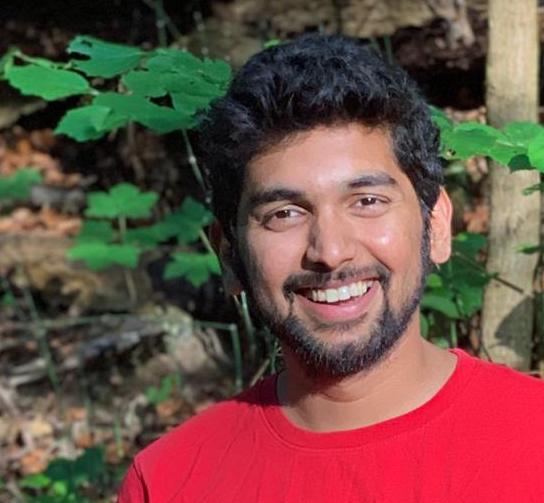
Prashanth Chandran
I am a research scientist at Google. I enjoy working on creative applications at the intersection of computer vision, graphics, and machine learning.
I was previously at Disney Research|Studios, Switzerland, and a part of the Facial VFX group.
I completed my Ph.D. at the Computer Graphics Lab at ETH Zurich and Disney Research|Studios, advised by Prof. Markus Gross and co-supervised by Dr. Derek Bradley. Prior to my doctoral studies, I received my M.Sc. in Electrical Engineering & Information Technology from ETH Zurich and my B.E. in Electronics & Communication Engineering from the Madras Institute of Technology, followed by 3 years at Caterpillar Inc. as an embedded electronics engineer.
Recent Publications
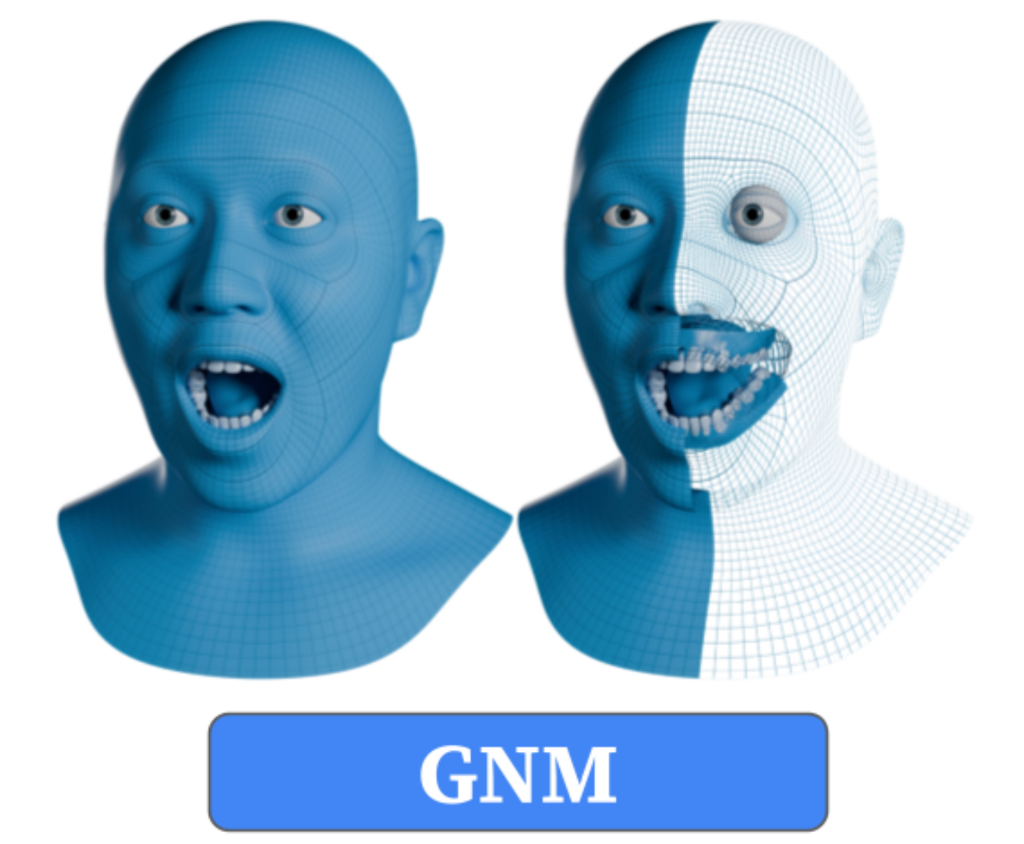
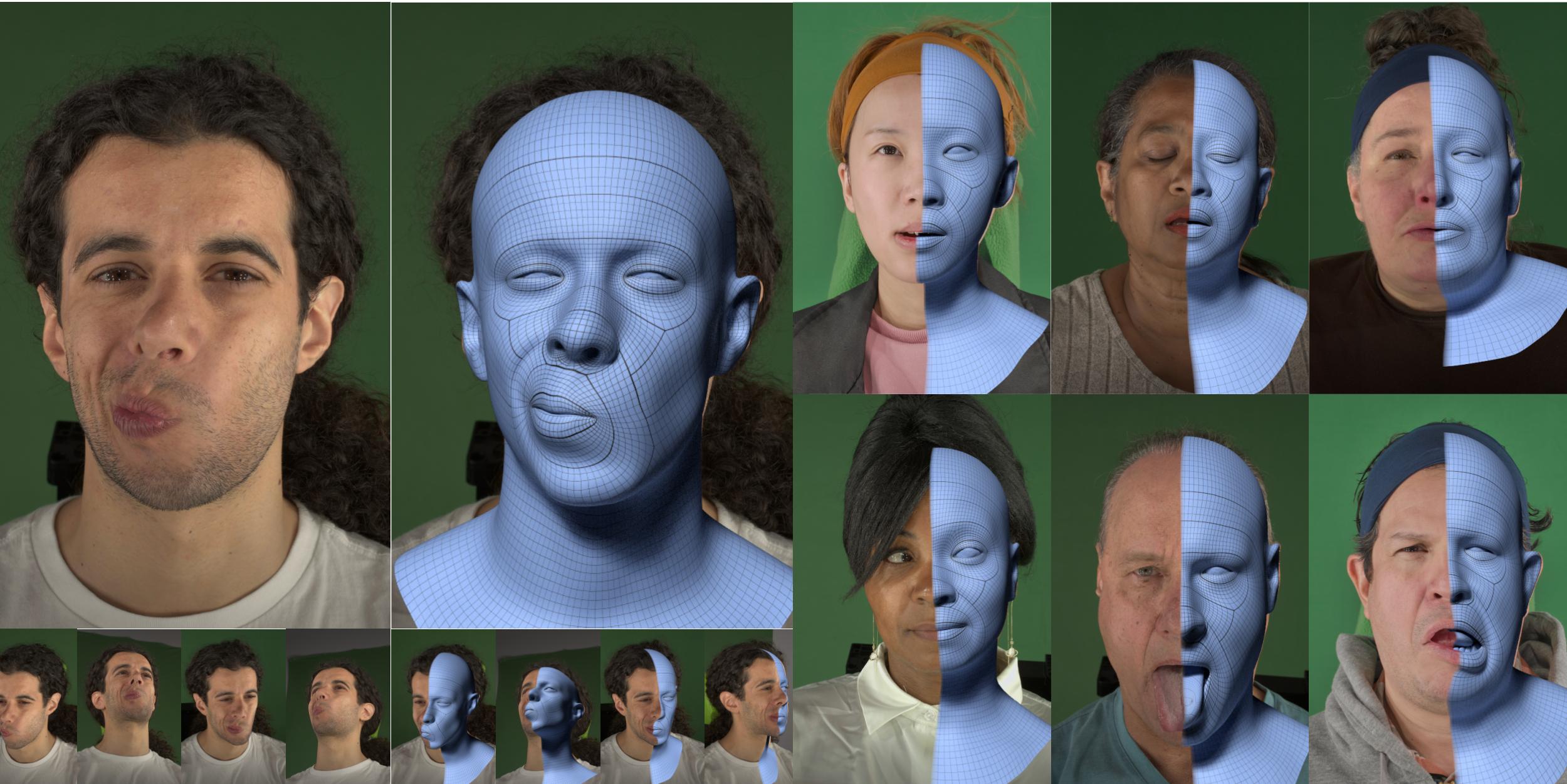
Topologically Consistent Multi-view 3D Head Reconstruction via Coarse-Guided Layered Surface Sampling
SHELLS reconstructs topologically consistent 3D heads from multi-view images in 0.08 s via layered surface sampling.
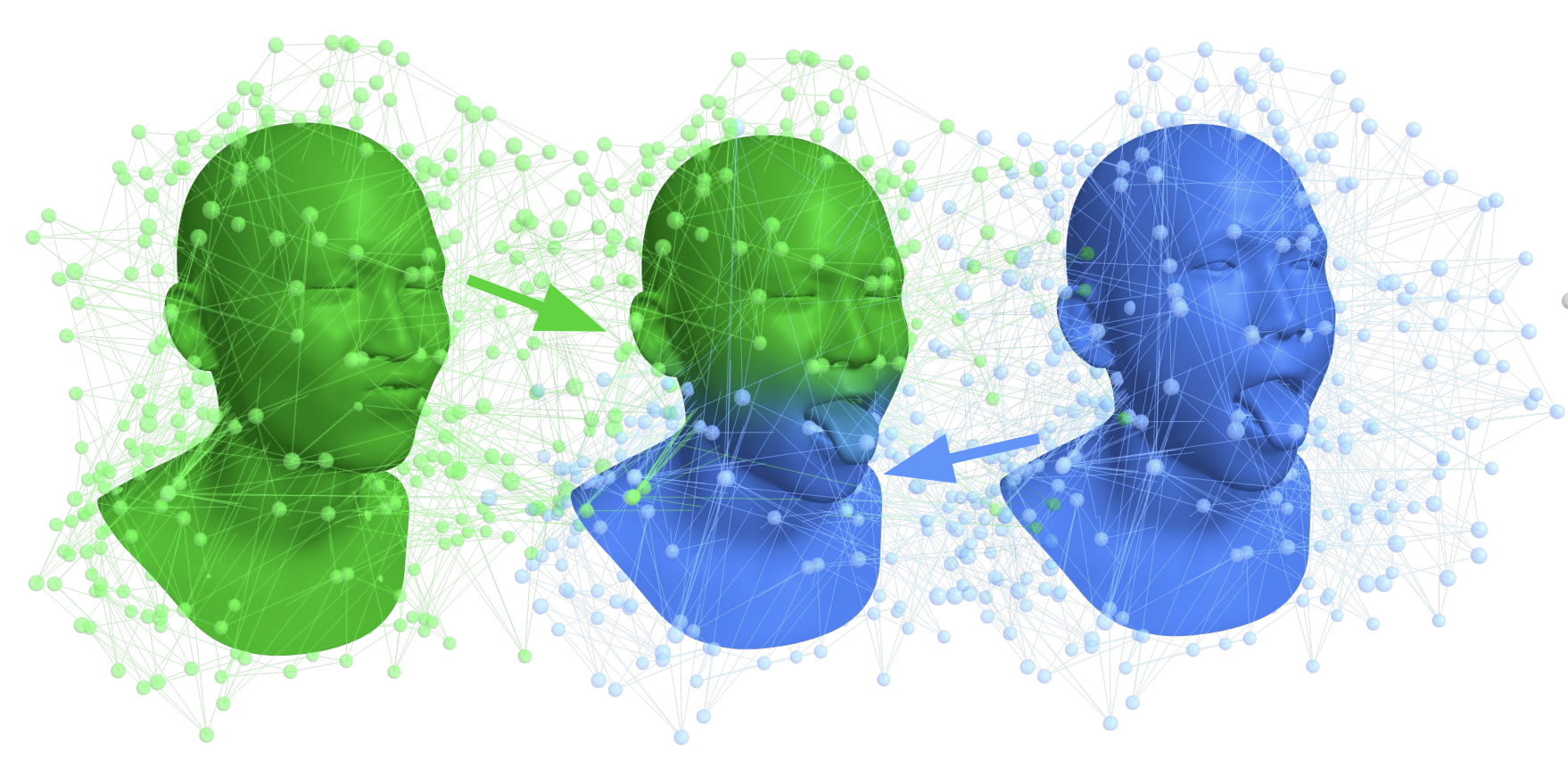
Representing 3D Faces with Learnable B-spline Volumes
CUBE: a 3D face representation that combines B-spline volumes with learned features, for scan registration and monocular reconstruction.
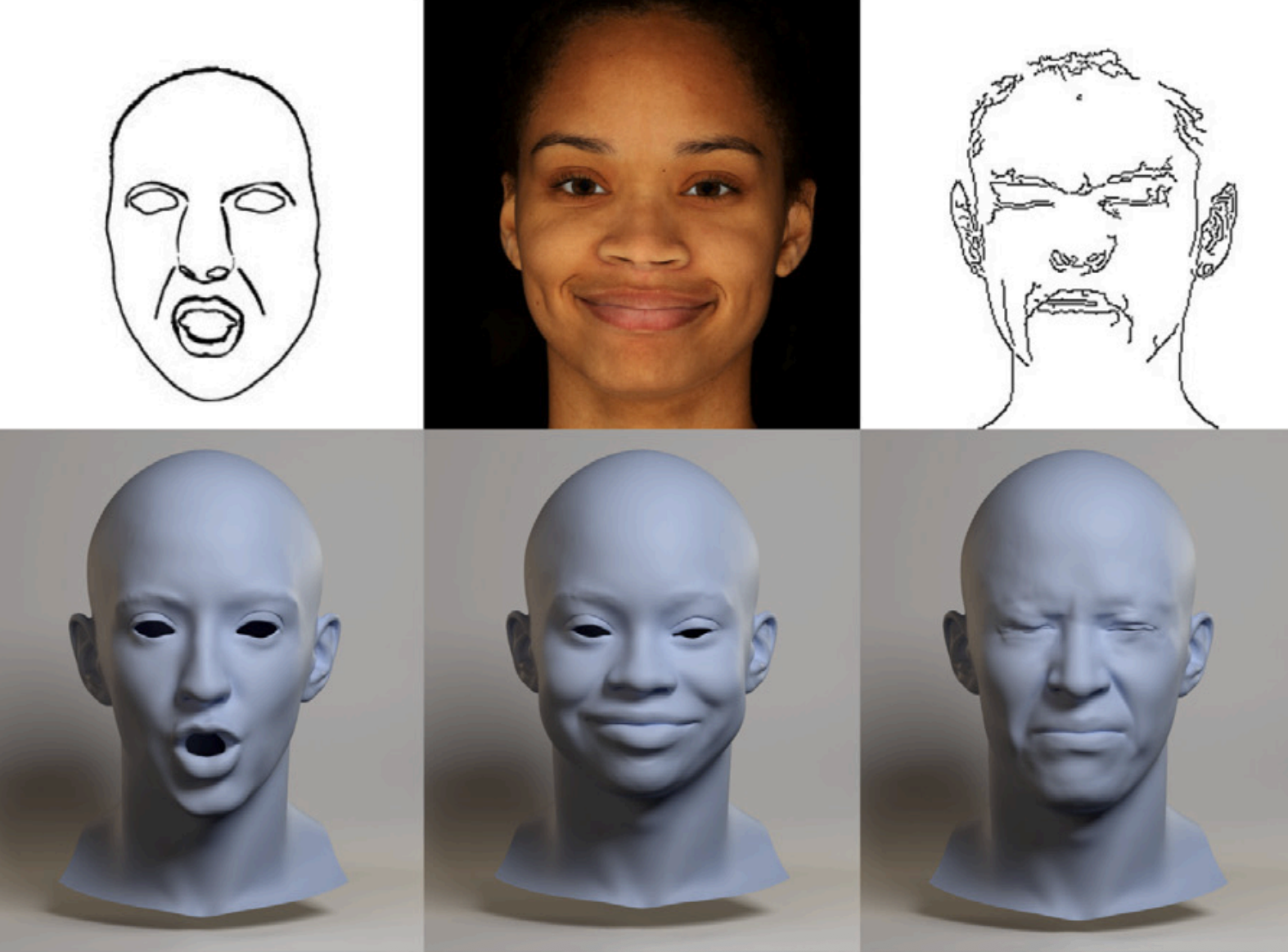
Multimodal Conditional 3D Face Geometry Generation
One diffusion model that generates 3D face geometry from sketches, photos, landmarks, FLAME parameters, or text.
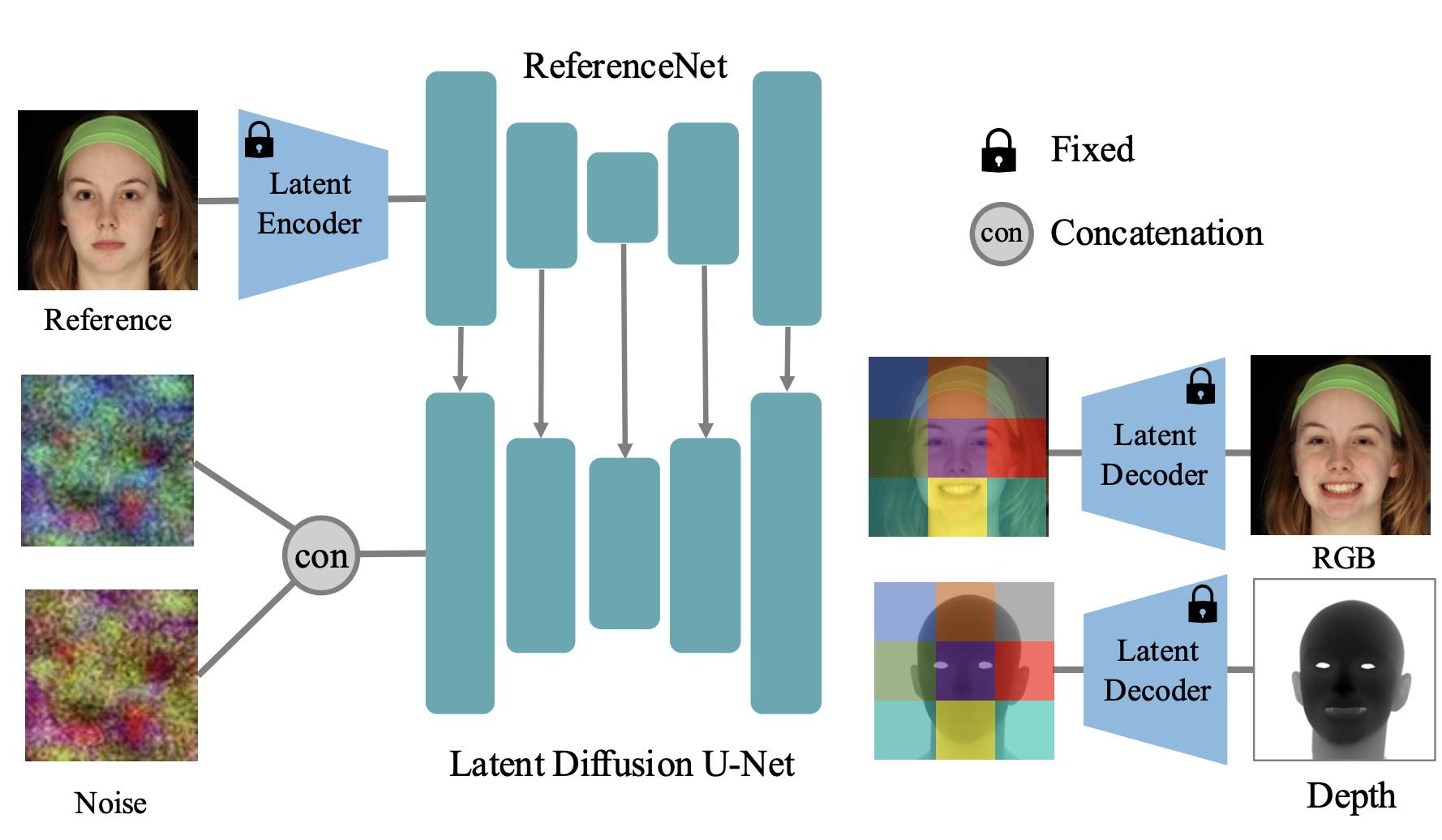
Joint Learning of Depth and Appearance for Portrait Images
A diffusion portrait generator that jointly learns RGB and depth, enabling depth estimation and depth-driven editing.